FOR SCALE MANUFACTURERS & DISTRIBUTORS
Weighing Scale
Load Cell
Match the cell
to the scale.
Building a new scale or sourcing a replacement? Start with your equipment, then discuss a load cell that fits its capacity, structure and connection requirements.
Industrial weighing components. Manufactured in China.
START WITH THE SCALE
What are you
building or servicing?
Choose the closest application to highlight models worth discussing. Final selection depends on the actual load, installation and operating conditions.
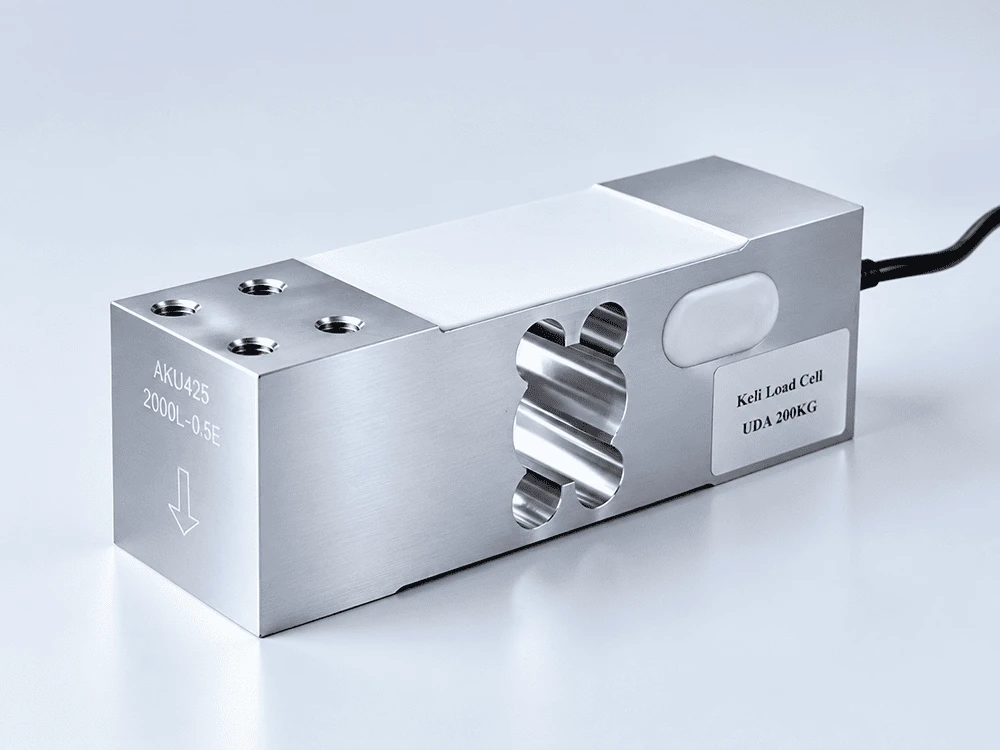
Everyday weighing.
A considered fit.
Review UDA, SQB and SB for platform-style equipment.
Explore models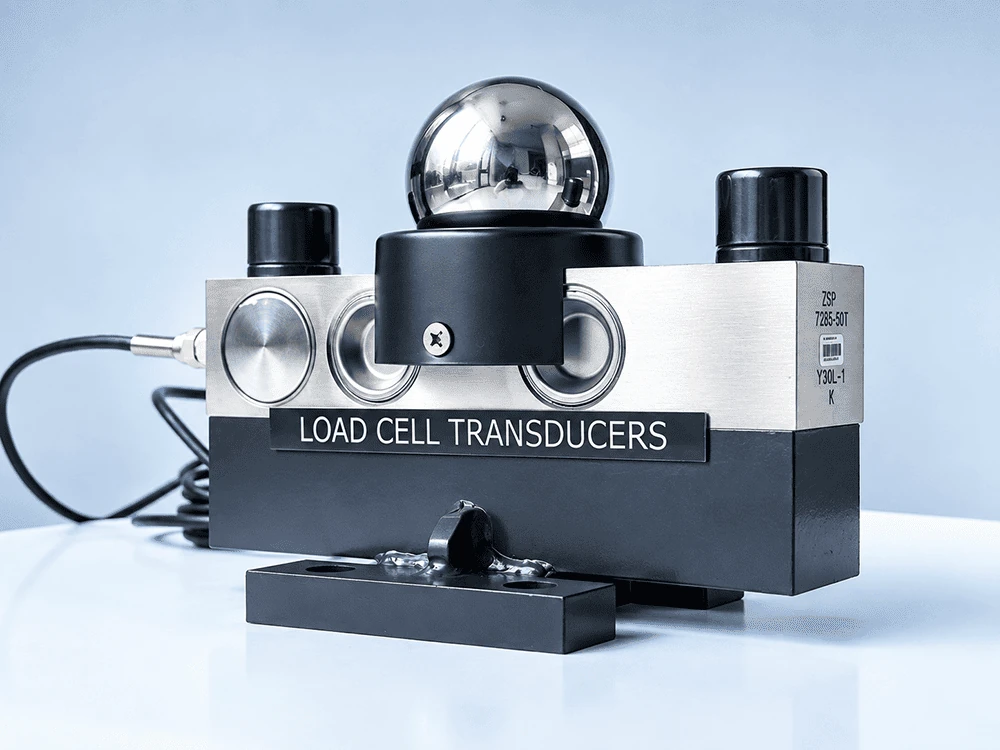
Start with the
load-bearing structure.
Discuss QS, ZSF or SB against your scale’s installation.
Explore models
Understand how
the force is applied.
Discuss the CR-602 S-type model and your mounting arrangement.
Explore model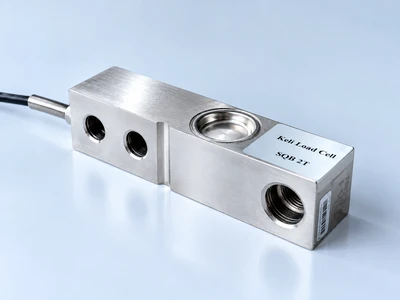
Bring the equipment
into the discussion.
Compare SQB, SB and QS for blending or process weighing needs.
Explore modelsA useful recommendation starts with four things.
Weighing range, dead load and the number of support points.
Dimensions, available space and how force reaches the sensor.
Indicator requirements, output, cable length and connector.
Moisture, dust, temperature and material requirements.
A FOCUSED WORKING RANGE
Six models.
Different starting points.
Use this range to begin the conversation. For replacement work, send the original model and drawing so we can review the fit.
UDA
Aluminium load cell
Platform scales; compression measurement
SQB
Shear beam load cell
Low-profile platforms; blending systems
SB
Beam load cell
Platform, truck and blending scales
QS
Industrial load cell
Truck, railway and blending scales
ZSF
Column load cell
Truck, railway and axle-load scales
CR-602
S-type load cell
Crane scales, hopper scales and force measurement
Capacity ranges summarize available rating options. Exact capacity steps, dimensions, materials and electrical specifications must be confirmed for your chosen model. Highlighted models are a starting point for discussion, not an automatic compatibility guarantee.
CHECK THE INTERFACES
A weighing scale sensor
has to fit the whole system.
Mechanical fit and electrical compatibility both matter. Share your requirements before confirming a replacement or a new build.
Review the technical files
Request the specification and dimension drawing for the exact model and capacity you need.
Request the documentsDiscuss the connection
Confirm output and wiring requirements with your indicator. Discuss cable length, connectors and labels by model.
THE DETAILS THAT MAKE IT WORK
From the mounting point
to the cable connection.
Customization options, pricing and order conditions are confirmed for the selected model.
KNOW YOUR SUPPLIER
See beyond
the finished load cell.
ANTORIS is based in Changzhou, China, with extensive in-house production. Review our manufacturing environment and the records relevant to your order.
A long-running focus on industrial weighing
Approximately 164,700 ft²
International reach
Model-specific records
Specifications, drawings, available test records and valid certificates for applicable models.
2-year warranty
Discuss the applicable warranty coverage and support terms with your quotation.
EVALUATE. THEN PLAN YOUR ORDER.
A practical
first step.
All samples are paid.
Lead time depends on model, quantity and customization.
LET’S TALK ABOUT YOUR EQUIPMENT
Your scale.
Your requirements.
Our next conversation.
Tell us what you are building or sourcing. We can discuss model fit, documentation, paid samples and a quotation.
Discuss your application
Start with the scale type, capacity and quantity.