
ANTORIS aligns application context, product fit, signal-chain compatibility, and technical documentation before a configuration moves forward.
Manufacturing is more than a floor plan.
A long-running focus on industrial weighing
Approximately 164,700 ft²
Countries supplied
ANTORIS is an own brand operated from Changzhou, Jiangsu. Its industrial weighing activity dates to 2006, combining own-brand sensors and related components with selected KELI and ZEMIC product distribution. Confirmed business facts are separated below from process details that still require an operating review.


Own-brand and distribution
ANTORIS supplies its own-brand sensors and related weighing components. The company also distributes selected products from established manufacturers including KELI and ZEMIC; the exact third-party model and supply scope should be confirmed for each request.
Production and inspection
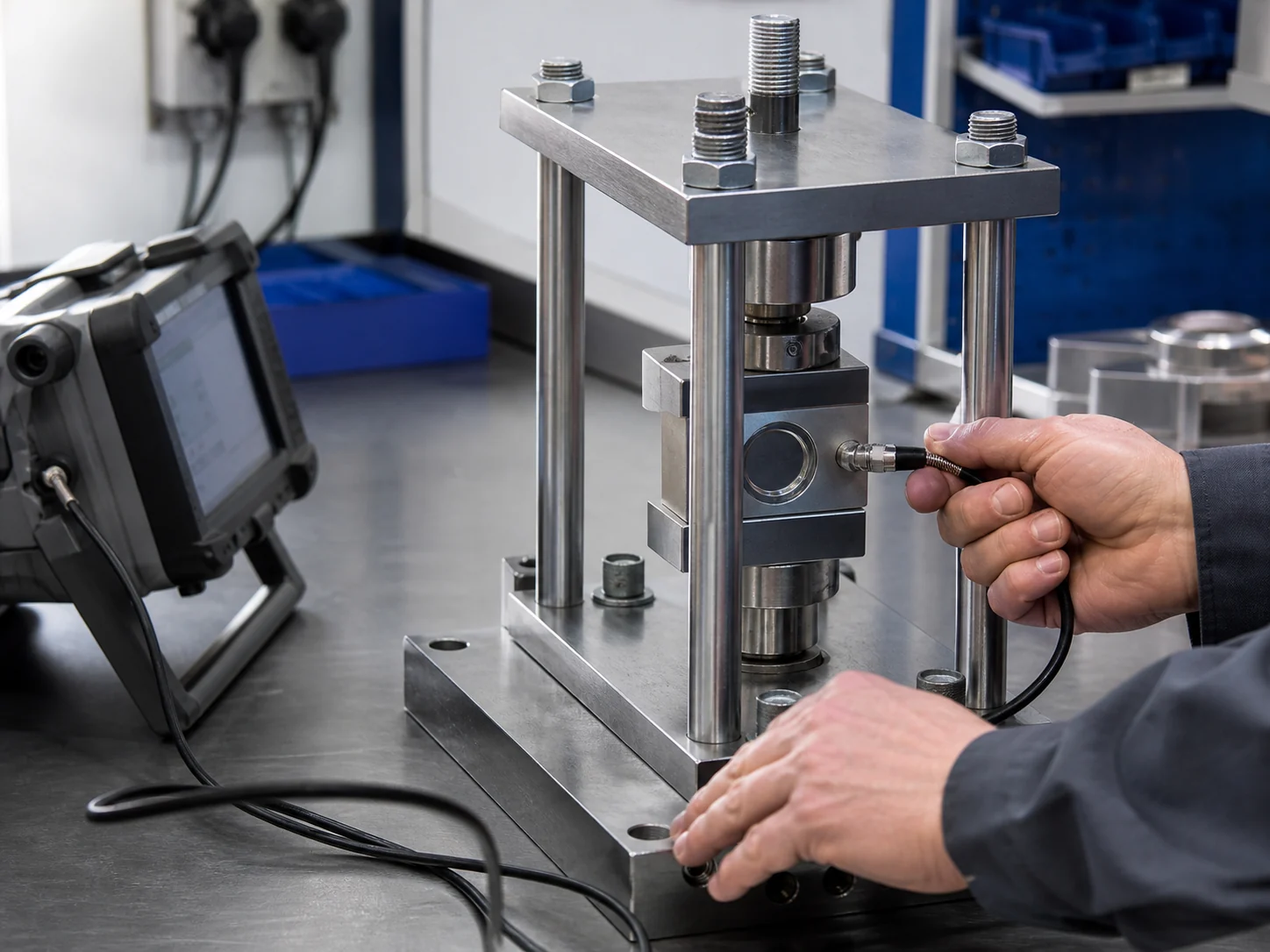
The working production route covers component preparation, wiring or connection, compensation, sealing, assembly, electrical inspection, controlled-load or calibration checks, final appearance, cable, label, accessory, and packing review. Confirm which steps are completed in-house for each product family.
Traceability
The proposed record chain connects the requested model and revision with selected options, material or supplier lot where applicable, production batch or serial reference, inspection result, packing, and shipment record. Confirm the identifiers and retention method actually used.
Supply continuity
Products have been supplied to more than 30 countries. For repeat purchasing, the working control points are model, drawing revision, capacity, cable, connector, output, sealing, label, accessory, and packing configuration; confirm the exact control method and lead time by product group.
The component is one part of a complete weighing signal path.
Load cells are the core category. Indicators, junction boxes, remote displays, and weighing cables support the route from applied force to usable information.
Product Fit
Capacity is only one input. Mounting, dimensions, load direction, output, cable, and operating conditions must also be aligned.
Signal-Chain Integration
Sensing, transmission, summing, processing, control, and display should be considered as connected parts of one system.
Technical Clarity
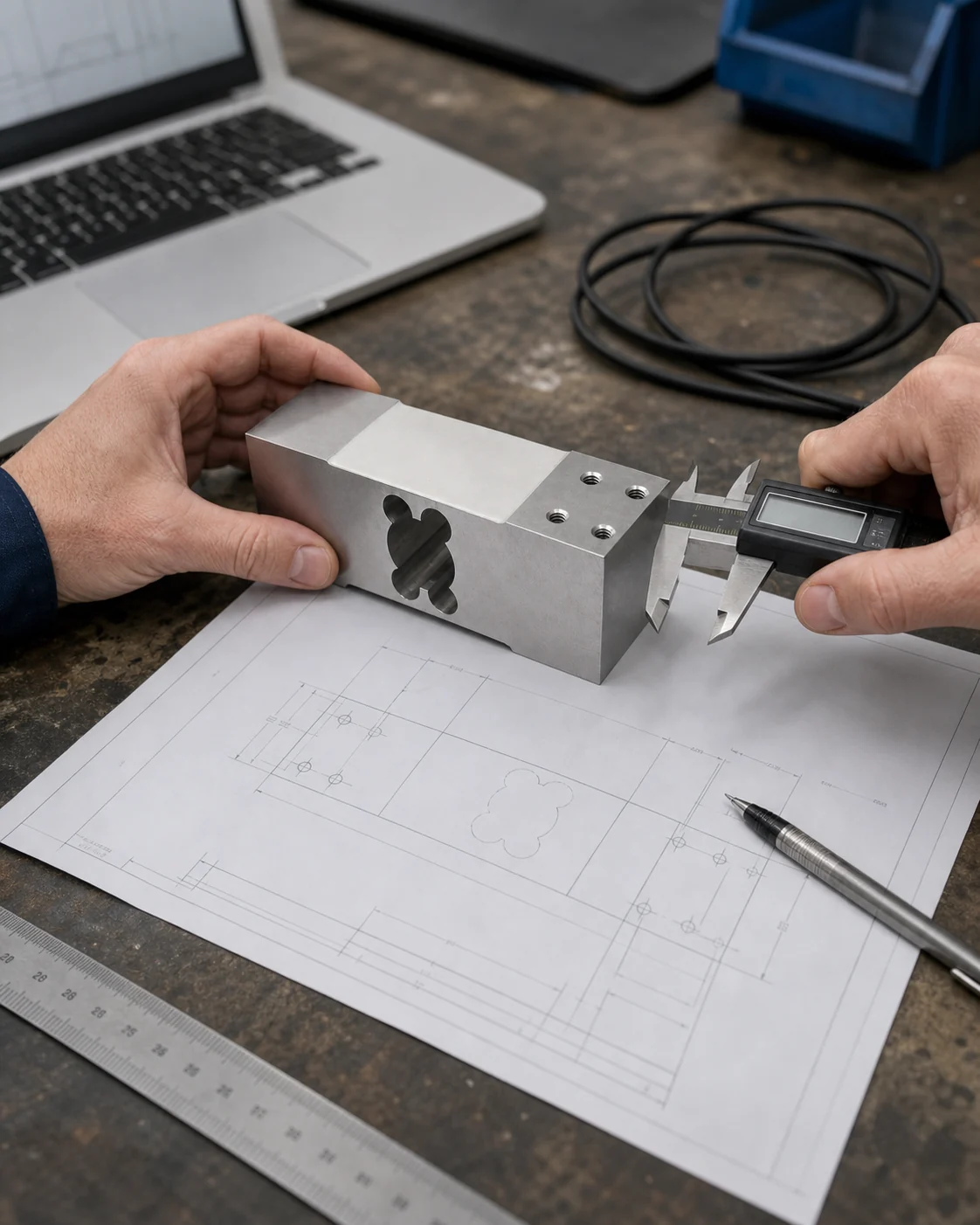
Model references, drawings, specifications, options, and project files should describe the same configuration.
How a project moves forward.
Each review starts with available application information. Missing details remain visible until the model and project context can be checked together.
Understand the application
Begin with the equipment, what is being weighed, the load path, and the role the component must perform.
Confirm technical requirements
Record capacity, mounting, dimensions, output, cable, communication needs, quantity, and operating conditions.
Review possible configurations
Compare suitable product and signal-chain options against the information available for the application.
Align models and documents
Check that product references, drawings, specifications, wiring, and selected options describe one configuration.
Validate project details
Resolve missing or conflicting information before a sample, quotation, or project requirement moves forward.
Support project continuity
Keep model and revision references available for repeat purchasing or continued project coordination.
Different buyers carry different risks.
The practical value of a review depends on who must specify, integrate, resell, or purchase the final configuration.
Distributors
Practical valueA clearer basis for comparing requirements, identifying gaps, and keeping model information usable during resale.
OEM Manufacturers
Practical valueModel and document references that can support equipment design decisions and repeat purchasing.
System Integrators
Practical valueA shared project context across sensing, summing, processing, cabling, control, and display.
Proof before promise.
Available material should be confirmed against the exact model, revision, and project scope. These are the evidence categories a buyer may ask us to verify before a configuration moves forward.
Product definition
- Current specification sheetCapacity, output, accuracy or performance class, material, sealing, cable, excitation, and operating limits.Confirm by requested model
- Dimensional or CAD drawingMounting interfaces, load direction, cable exit, platform or envelope limits, and installation clearances.Confirm file and revision
- Wiring and mounting guidanceExcitation, signal, shield, sense, connector mapping, mounting orientation, and installation notes.Confirm by product family
Inspection and test
- Electrical inspection recordThe record format may include zero balance, input and output resistance, insulation, and rated-output checks.Confirm record availability
- Load or calibration recordApplied load points, measured output, repeat or return cycle, equipment reference, date, and operator identification where applicable.Confirm test scope
- Final inspection evidenceAppearance, cable or connector, label, selected options, accessories, and packing condition.Confirm inspection checklist
Approval scope
- Model-specific certificates or declarationsOIML, NTEP, EU declarations, or other market-specific documents only where the exact model and scope are applicable.Verify model, scope, and validity
- Environmental or material statementsRoHS, REACH, material, or supplier documentation only when relevant to the requested model, order, and destination market.Confirm for requested market
- Certified variants and conditionsCapacity, cable, sealing, options, temperature range, and installation conditions should be checked against the certificate annex or declaration.Check annex and variant
Traceability and continuity
- Model and revision referenceThe quotation, drawing, specification, selected options, and order record should point to the same configuration.Confirm project record
- Batch or serial linkageWhere used, batch or serial references should connect the supplied item with inspection, packing, and shipment information.Confirm traceability method
- Authentic operational evidenceCleared production, inspection, testing, and packing photographs should show the real product and process without confidential project data.Authentic photo required
Start With the Application.
Share the equipment, target capacity, mounting dimensions, operating environment, output requirements, estimated quantity, and any available drawings.